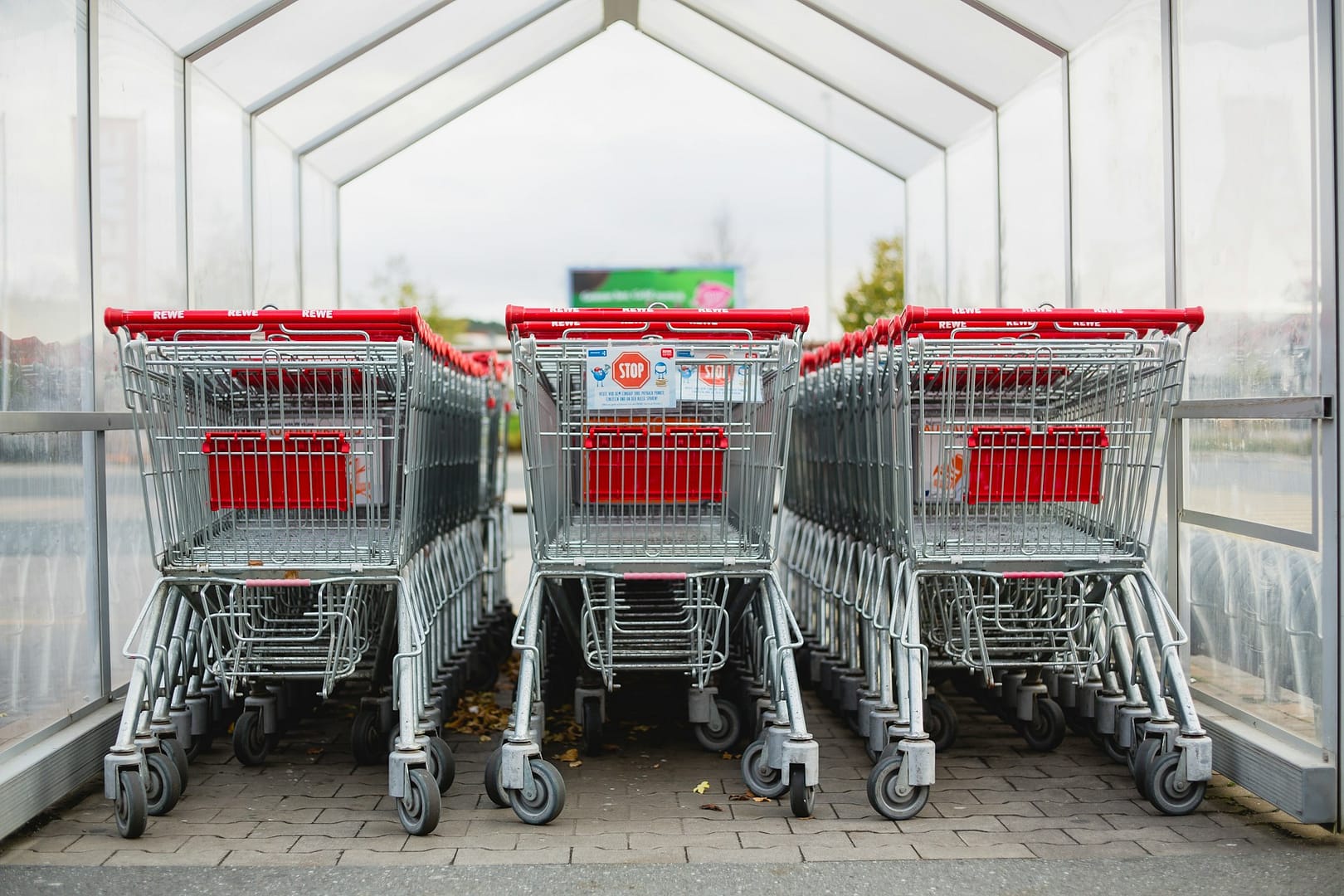
Choosing the right equipment can make a big difference in how smoothly a retail business operates. For supermarkets, warehouse stores, and high-volume shops, large shopping carts are more than just a convenience for customers. They affect the overall shopping experience, store efficiency, and even how customers view a brand. Before making a purchase, retailers need to consider factors like quality, size, usability, and long-term value to ensure they choose options that support their business goals.
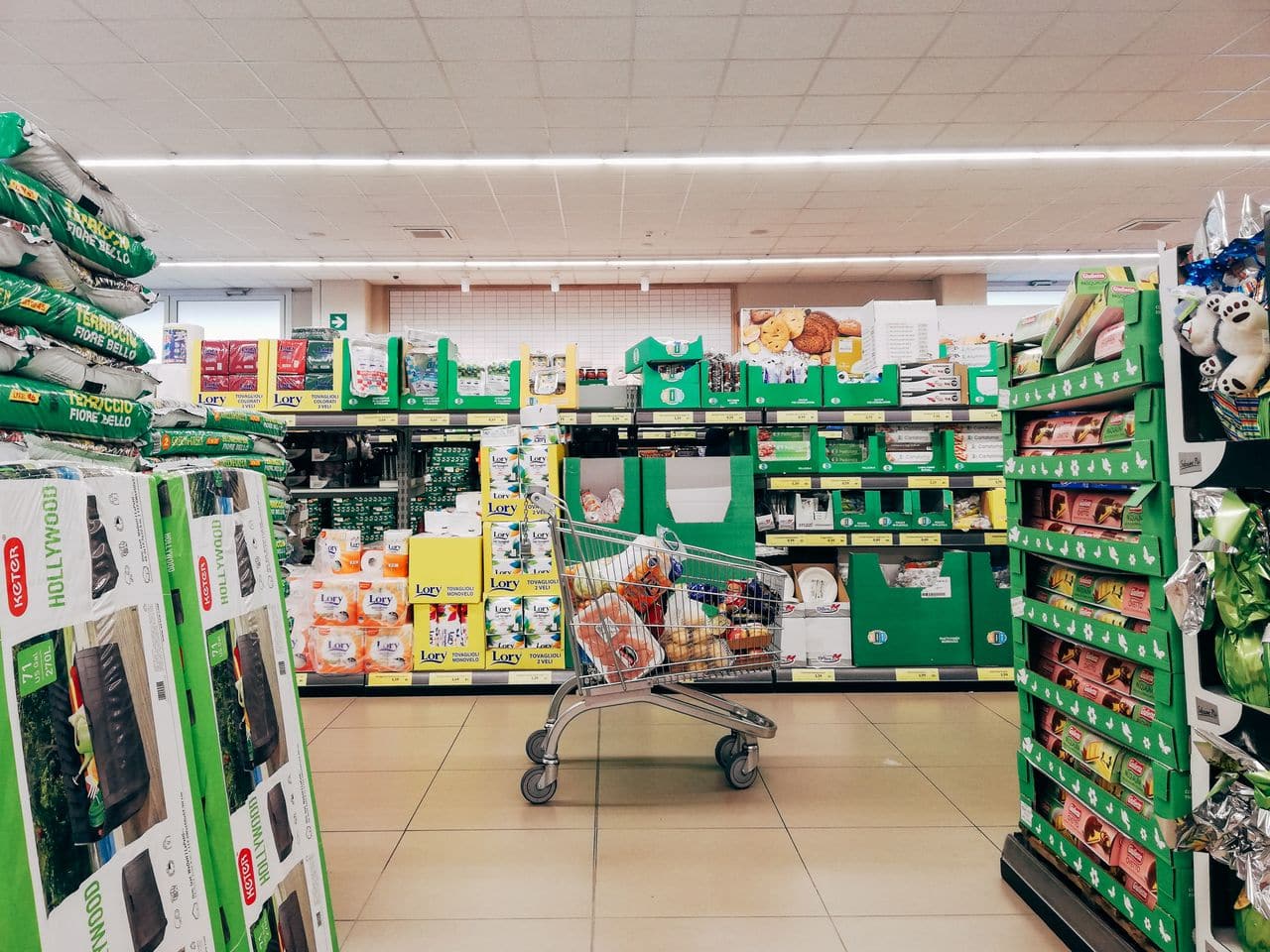
Shopping Trolleys Should Match Your Store’s Needs
When selecting shopping trolleys for a retail environment, businesses should first think about their customers and daily operations. A small convenience store may need a different style compared with a supermarket serving customers who buy products in bulk. The right trolley size, design, and capacity can help shoppers move comfortably through the store while making it easier for employees to manage daily tasks. Retailers should focus on options that fit their space and customer expectations rather than simply choosing the largest available model.
Consider Durability and Build Quality
Large shopping trolleys need to handle frequent use, heavy loads, and constant movement across different surfaces. Investing in high-quality materials, such as metal or durable plastic, can help reduce replacement costs over time. Retailers should consider factors such as wheel strength, frame construction, and wear resistance before buying. A well-built trolley can provide better value because it continues performing reliably even in busy shopping environments.
Think About Customer Comfort and Convenience
A positive shopping experience often comes down to small details. Customers appreciate trolleys that are easy to push, simple to steer, and comfortable to use during longer shopping trips. Features such as smooth wheels, ergonomic handles, and practical basket designs can encourage customers to spend more time browsing and buying products. Retailers that prioritize comfort show that they understand the needs of their shoppers.

Choose Designs That Improve Store Efficiency
The design of a trolley can influence how effectively a store operates. Retailers should consider how easily trolleys can be collected, stored, and moved around the premises. Space-saving designs can be especially useful for stores with limited storage areas. A well-planned trolley system helps employees maintain a cleaner shopping environment while ensuring customers can quickly find and use available equipment.
Consider Maintenance and Long-Term Costs
Buying large shopping trolleys is an investment, so retailers should think beyond the initial price. Low-cost options may seem attractive at first but can lead to higher expenses if they require frequent repairs or replacements. Choosing reliable products with easy maintenance requirements can help businesses save money over time. Regular cleaning, inspections, and minor repairs can also extend the lifespan of each trolley.

Look at Safety Features and Practical Details
Safety should always be an important consideration when selecting retail equipment. Trolleys should be stable, easy to control, and suitable for different types of shoppers. Retailers may also want to consider features that prevent damage to store displays or make movement easier in crowded areas. Paying attention to practical details can create a safer and more enjoyable experience for both customers and employees.
Understand How Trolleys Support Your Brand Image
Every part of a retail store contributes to the customer’s impression of the business. Clean, modern, and well-maintained trolleys can create a more professional appearance and show attention to detail. On the other hand, damaged or outdated equipment may negatively affect how shoppers view the store. Choosing the right trolley style can help retailers create a consistent and welcoming shopping environment.
Buying large shopping trolleys requires careful planning and consideration. Retailers should focus on quality, customer comfort, durability, and how well each option fits their store operations. The right choice can improve efficiency, support a better customer experience, and provide long-term value. By taking time to evaluate their needs before purchasing, businesses can invest in equipment that benefits both shoppers and staff.